Contact Us
Home

Vehicle agnostic

Reduced physical size. Can be used on a wide range of Marine Autonomous Systems (MAS).

Low power consumption

Creates efficiency by extending deployment duration and expanding sampling area.

Assured performance

Measurement sensitivity enables accurate performance in highly oligotrophic waters.

MicroSTAF Features

Graphic Interface

Windows 11-based graphic interface for protocol design and post-processing of data

Programmable

Programmable for autonomous sample acquisition and real time analysis

Low power

requirement of 2 W (typical)

CSV output

Real time, user-configured CSV output of processed data via RS232

Internal logging

of all primary data for post-processing

Accurate measurements

in extreme oligotrophic conditions

Excitation wavebands

Seven excitation wavebands for PEP-based spectral correction

DWM

(centred at 685nm and 730 nm) for Package Effect Correction (PEC)

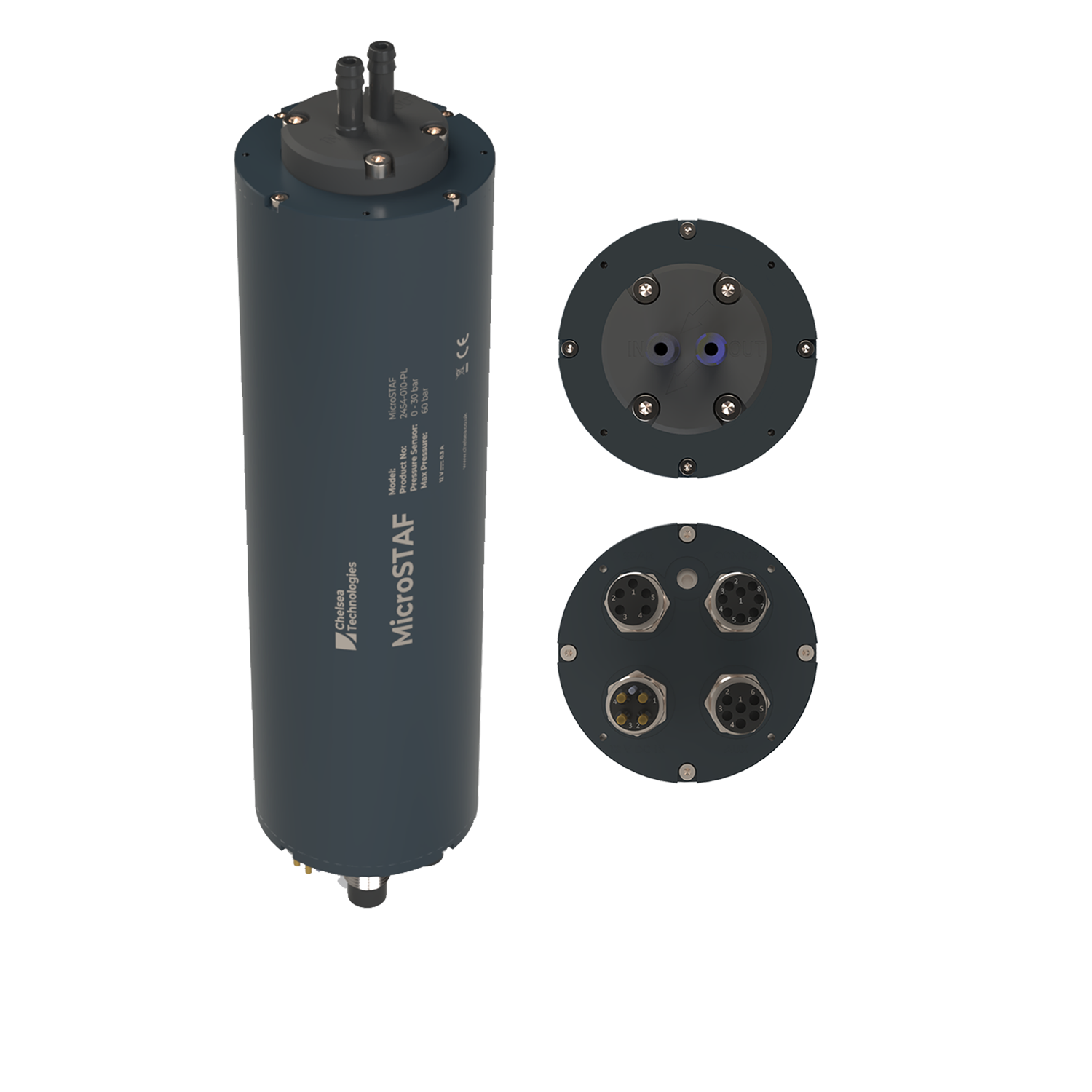
MicroSTAF is a fully autonomous in-situ fluorometer designed to assess phytoplankton primary productivity over an expanded sampling area at depths of up to 2,000m. Through the iterative evolution of our proven active fluorometry technology, size and power consumption is reduced by 70% enabling a wider range of application across Marine Autonomous Systems (MAS), including Autonomous Underwater Vehicles (AUV) and gliders.   

MicroSTAF is pre-programmable for fully autonomous sample collection and acquisition of Fluorescence Light Curves (FLC) and Photoactive Excitation Profiles (PEP). It enables dispersed deep sea profiling and on-board analysis, increasing operational efficiencies, expanding sample reach and reducing risk.

How it works

MicroSTAF uses Single Turnover Active Fluorescence (STAF) to measure variable fluorescence of living phytoplankton cells enabling the evaluation of primary productivity of phytoplankton (PhytoPP).  Deployed on Marine Autonomous Systems (MAS), it collects data from wider and deeper sampling areas. Integrating real-time ambient light step adjustment, automated sample exchange and spectral correction MicroSTAF delivers unparallelled sensitivity providing and globally acceptable levels of accuracy.

Where it works

Understanding the global contribution of phytoplankton to the carbon cycle requires accurate and efficient in-situ sampling and measurement across the globe. MicroSTAF offers greater versatility and is deployable across a wider range of vehicles and platforms than competing technologies enabling access to more diverse sampling and making it an ideal choice for research purposes.

How will you benefit from buying MicroSTAF?

Research into phytoplankton is essential for our understanding of the global carbon cycle and its impact on our oceans and wider environment. Stakeholders as diverse as governments, non-governmental organisations (NGO), academia, and the commercial world drive complex supply chains that demand assured results, efficiently. MicroSTAF provides accessibility to an expanded sampling area and offers pre-programmable, autonomous sample collection, that reduces operational risk and cost.    

Its miniaturized design reduces its on-vessel footprint, and combined with its reduced power consumption, delivers operational efficiency while retaining trusted and acceptable measurement accuracy and sensitivity.

Typical MicroSTAF deployments

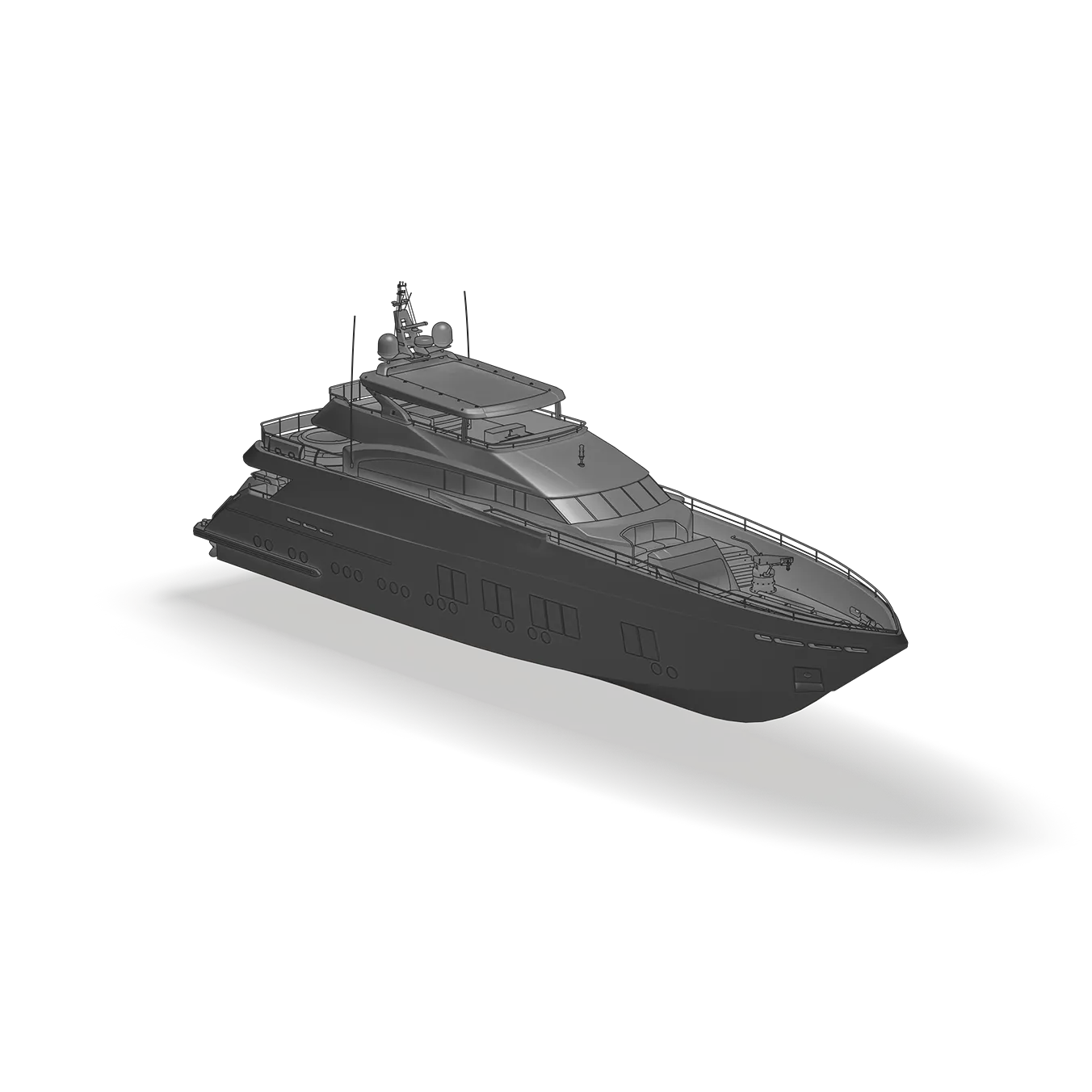
Manned Vessel

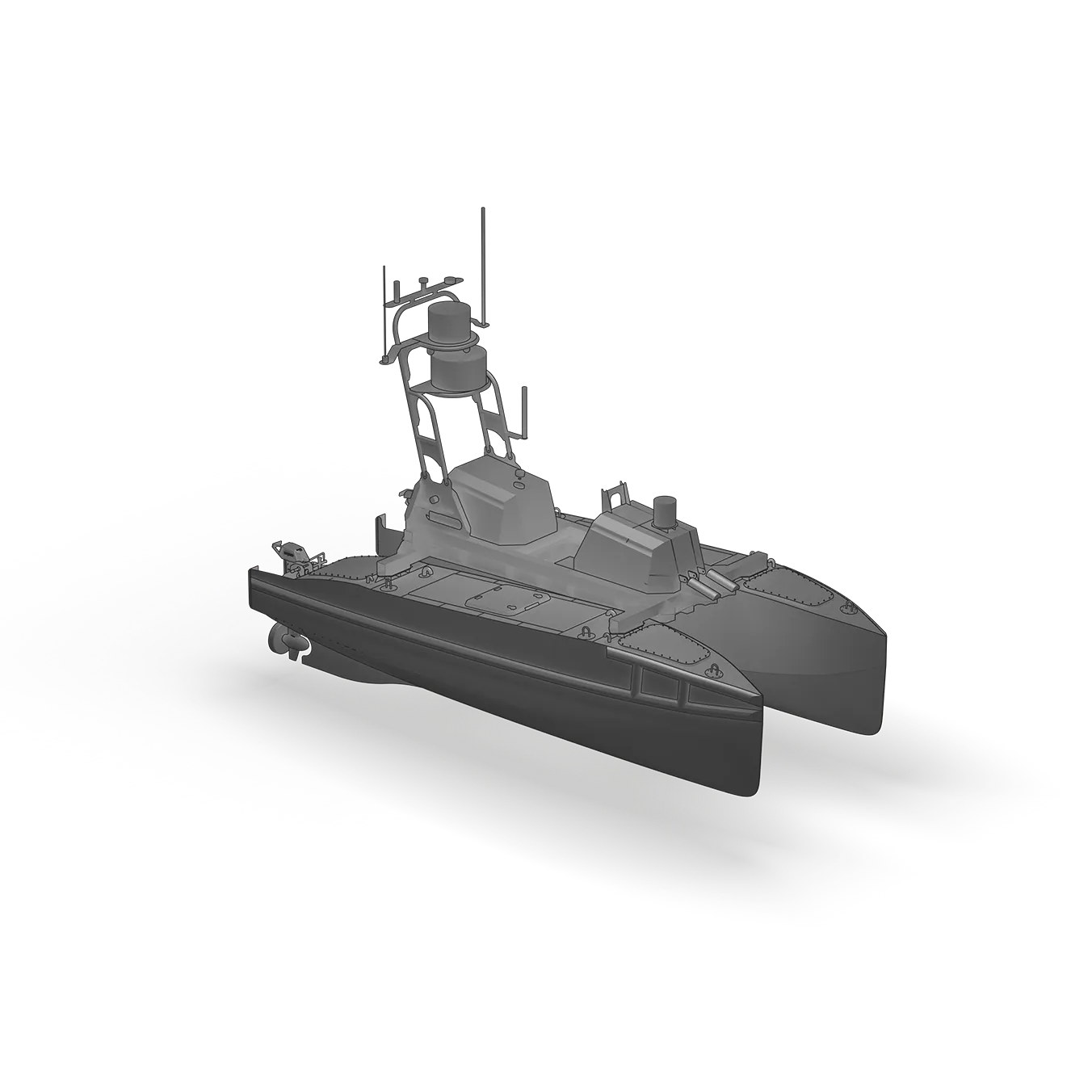
Autonomous Surface Vessel (ASV)

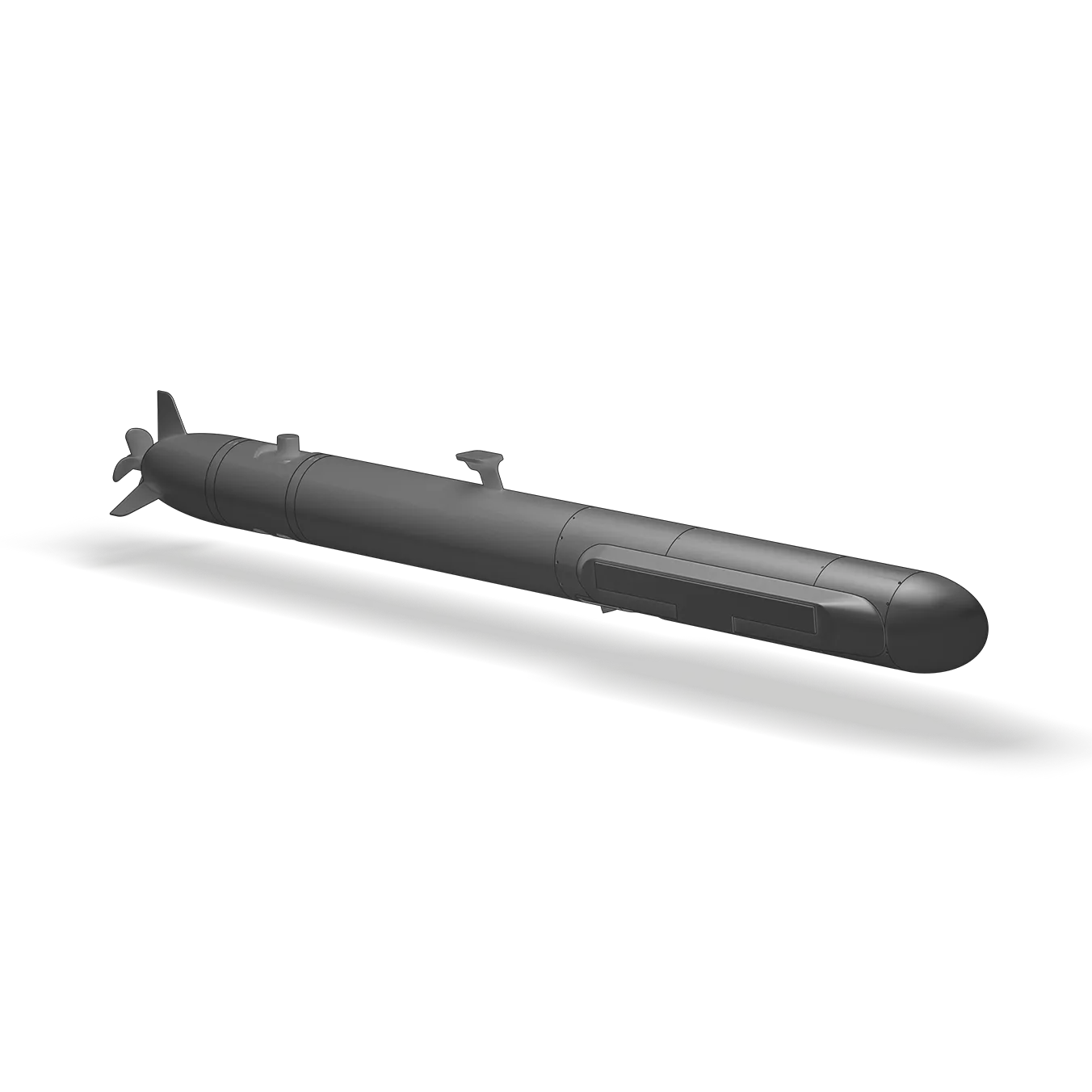
Gilder/ Autonomus Underwater Vehicle (AUV)

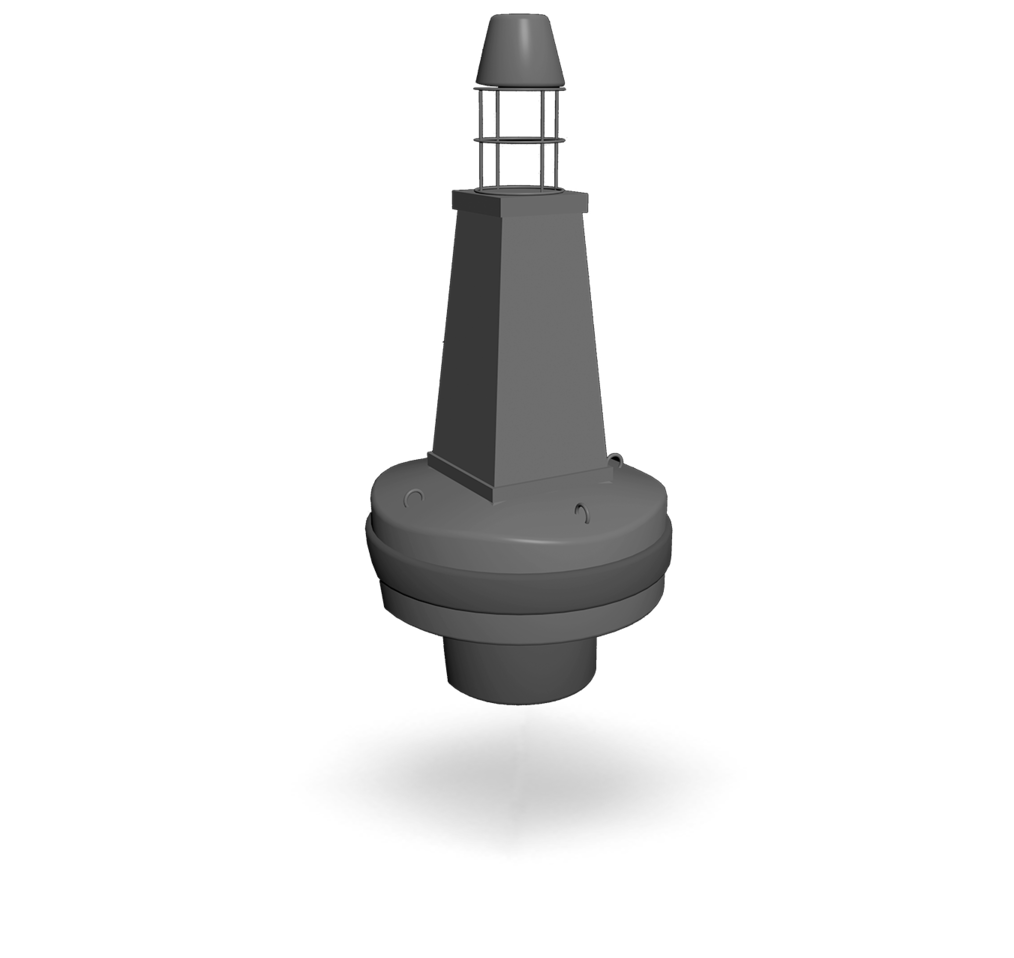
Fixed Buoy / Untethered Float

MicroSTAF Instrument Specifications

Limit of detection

Can resolve variable fluorescence (Fv) with an amplitude equivalent to the fluorescence signal generated under 452 nm excitation by 0.001 mg m3 of chlorophyll-a

Excitation wavebands

Seven excitation wavebands, centred at: 416, 442, 468, 495, 520, 598 and 630 nm

Actinic light source

Collimated output from 10 to 2000 μmol photons m-2 s-1

Dimensions

Dia. 88 mm x 290 mm (excluding connector and sample chamber)

Mass

3.4kg

Housing material

Grade 5 titanium

Depth rating

2000m

Input voltage

9-12 VDC

Power consumption

160 mA (typical) at 12 V

Autonomous data output

RS232 or RS422 (115 kBd)

SPAR Sensor Specifications

Detection

When attached to MicroSTAF, the SPAR sensor is used to assess PAR photon irradiance (400 – 700 nm) and PEP photon irradiance (380 – 660 nm). The PEP spectral output is also used to apply real time spectral correction at 10 nm resolution. The PAR and PEP photon irradiances are accurate to below 1 µmol photons m-2 s-1.

The full spectral range of the SPAR sensor is from 340 – 850 nm. Complete specifications for the SPAR sensor are available on request

Dimensions

Dia. 46 mm x 100 mm (Excluding connectors)

Volume

166 mL

Mass

0.4 kg

Housing material

Grade 5 titanium

Depth rating

2000 m

Input voltage

4-6 VDC

Power consumption

Power consumption: 100 mA (typical) at 5 V

Data output

RS232 (115 kBd)